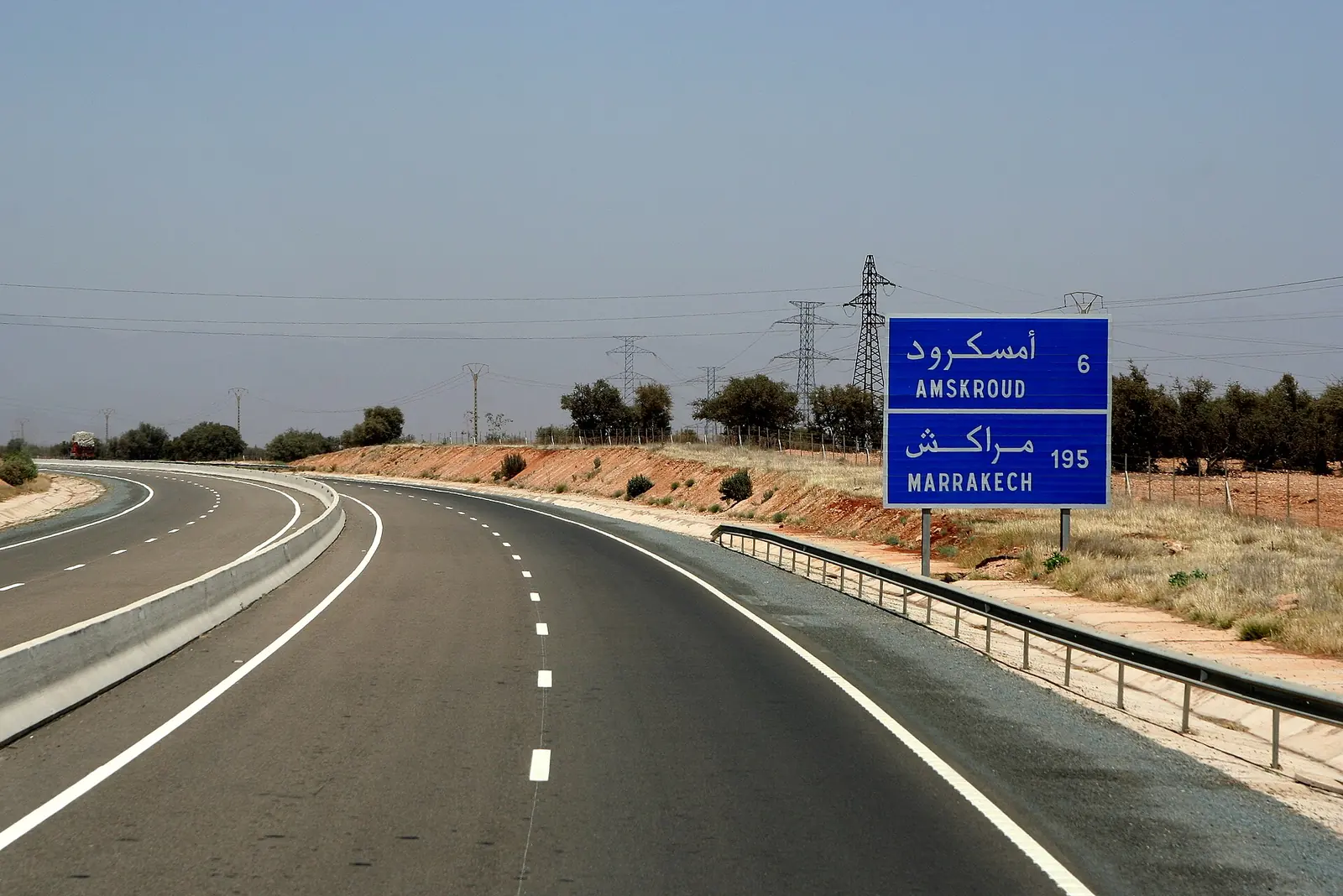
Driving in Tangier is easier than most visitors expect. The roads are good, the signs are bilingual, and a small rental car makes the coast, the mountains and the old town all reachable. A few local habits and rules are worth knowing before you start the engine, so here are nine tips from drivers who do this every day.
In this guide
1. Know the speed limits for driving in Morocco
The standard limits for driving in Morocco are 60 km/h in built-up areas, 100 km/h on open roads and 120 km/h on motorways. Always follow the posted signs, which can be lower near schools, bridges and roadworks. Fixed and mobile speed cameras are common, and a fine for a few kilometres over the limit is not worth a photo of the sunset.
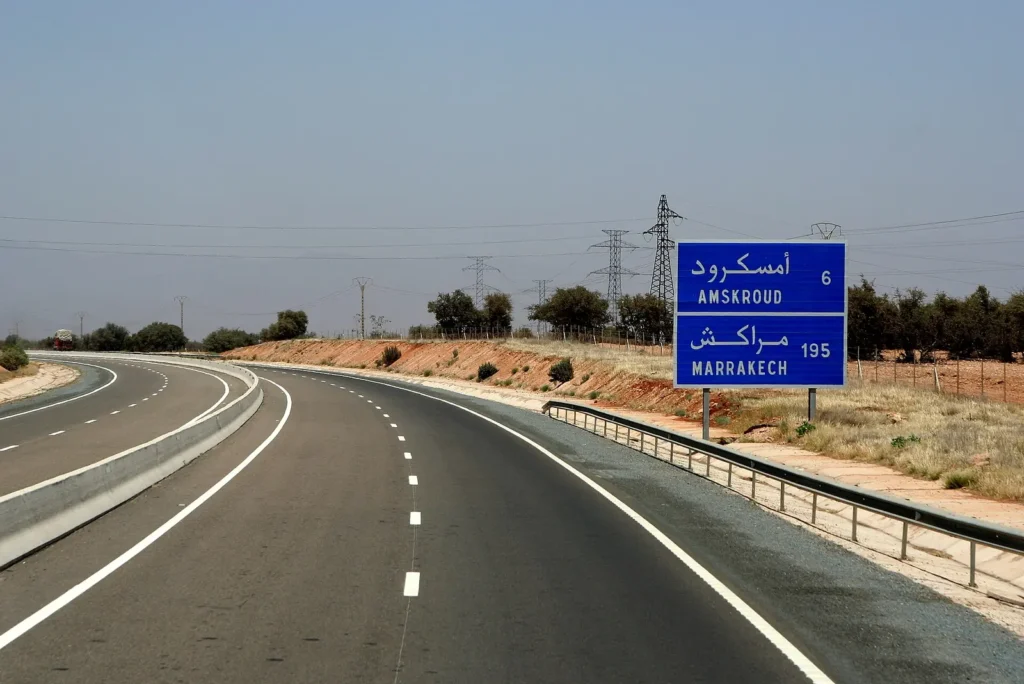
2. Expect police checkpoints and stay calm
Checkpoints at the entrance of cities and on main roads are routine. Slow down early, greet the officer, and hand over your licence, passport copy and rental papers if asked. If another driver flashes their headlights at you, a checkpoint or speed trap is often just ahead. Official fines come with a written ticket, so ask for it.
3. Roundabouts and priority
Give way to traffic already in the roundabout unless a sign says otherwise, and indicate before you exit. Local drivers are assertive but predictable: keep a safe distance, watch for scooters filtering through gaps and never assume that a vehicle will stop at a zebra crossing.
4. City driving in Tangier: traffic, parking and the medina
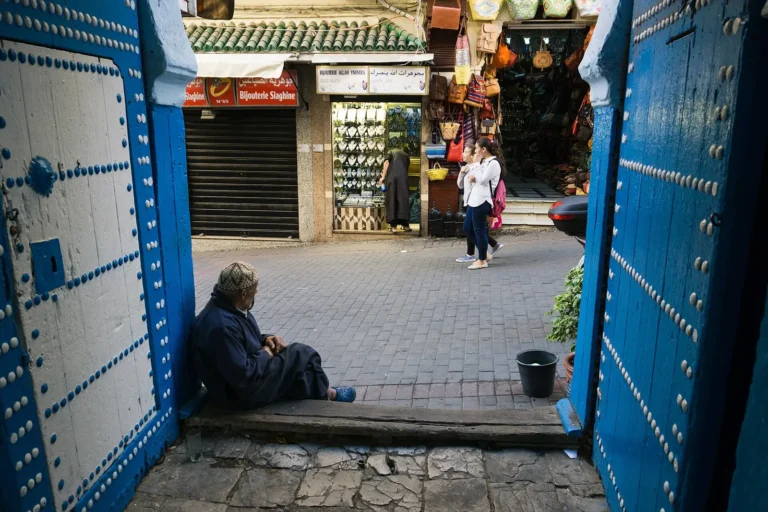
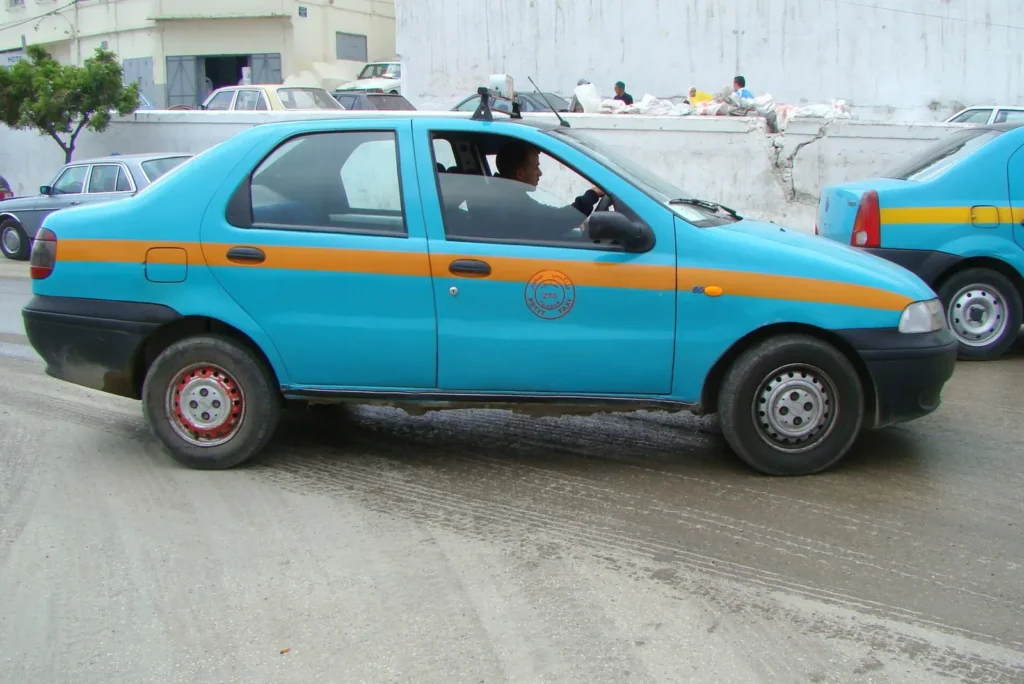
Traffic in the city is heaviest in the morning rush. The medina and the kasbah are narrow and partly pedestrian, so park outside and walk in. Street parking is cheap, but you will meet informal parking attendants in vests: pay them a few dirhams when you leave. For old-town days, a compact car like the Peugeot 208 is far easier than an SUV.
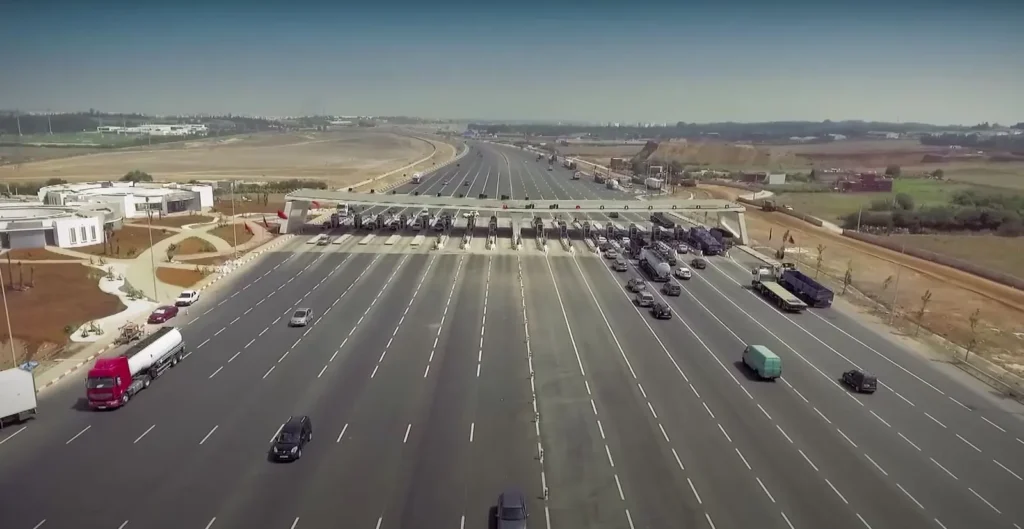
5. Motorways and tolls in Morocco
The A1 motorway links Tangier to Rabat and Casablanca. Tolls in Morocco are paid at the exit, in cash or by card, or with an electronic Jawaz tag. For a standard car, Tangier to Casablanca costs roughly 90 dirhams in tolls. Prices change, so check the current tariff with the operator, Autoroutes du Maroc, before a long trip.
6. Avoid night driving outside the city
Outside towns, roads can be poorly lit and you may meet pedestrians, animals, slow trucks or vehicles without lights. Plan long drives, such as the winding road to Chefchaouen, for daylight. After rain, watch for potholes and fog in the mountains.
7. Fuel, cash and small change
Petrol stations are frequent on main roads. Diesel is called “gasoil” and petrol “essence”. Most stations take cards, but carry cash for tolls, parking and smaller towns. Fill the tank before you enter the Rif mountains.
8. Safety rules that matter
- Seat belts are compulsory for everyone in the car, and children should sit in the back with a suitable seat.
- Holding a phone while driving is fined; use a holder and hands-free.
- Do not drink and drive: tolerance for alcohol at the wheel is extremely low.
- Keep your licence, the car papers and the rental contract in the car at all times.
9. Use navigation, but keep a paper backup
Google Maps and Waze work well in cities and on main roads. Download offline maps before you go to the mountains, where mobile coverage drops. Save the emergency numbers: 19 for the police in towns, 177 for the Royal Gendarmerie outside towns and 15 for an ambulance. The national road safety agency, NARSA, publishes the official rules.
Rent a car for driving in Tangier with confidence
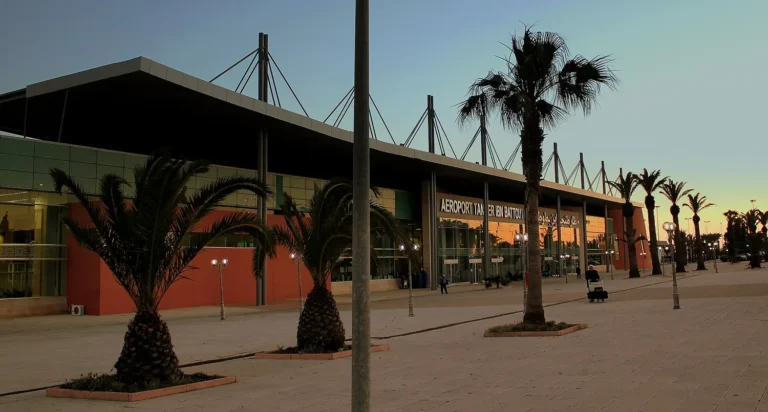
Our cars are recent, clean and delivered with full insurance details, so you can focus on the road. If you are arriving by air, read our Tangier airport car rental page; if you plan day trips, see the Tangier travel guide. Before you book, check the car rental Tangier requirements and the price guide.
Need a car in Tangier?
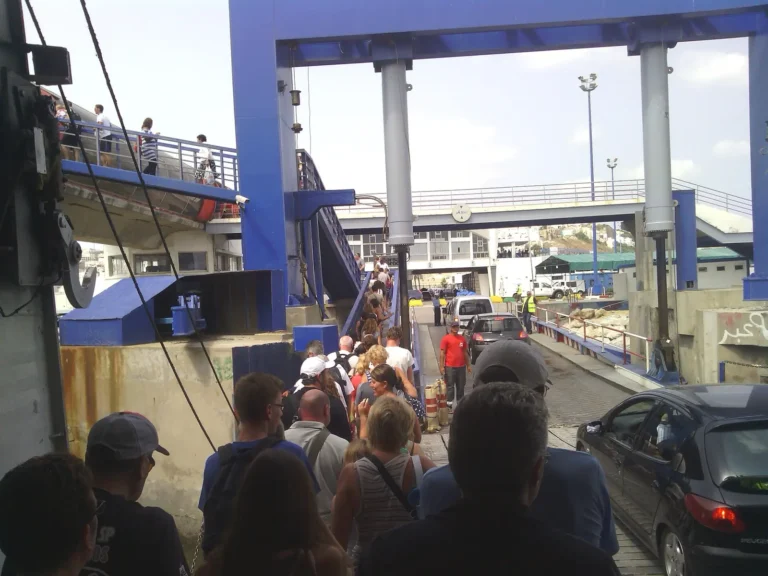
Tell us your dates and we confirm availability and your final price quickly. Free delivery at the airport, the port or your hotel.
Driving in Tangier: frequently asked questions
Is driving in Tangier safe for tourists?
Yes. Roads are good and drivers are used to visitors. Stay alert, avoid night driving outside the city and follow the speed limits.
What are the speed limits in Morocco?
Generally 60 km/h in towns, 100 km/h on open roads and 120 km/h on motorways, unless a sign shows a lower limit.
How do tolls work on Moroccan motorways?
You take a ticket at the entrance and pay at the exit in cash or by card, or you use a Jawaz tag. Tangier to Casablanca costs about 90 dirhams for a standard car.
Do I need an international driving permit for driving in Morocco?
Not if your licence is in Latin letters, but it is recommended and it helps at checkpoints.